


How to Reduce Inflammation and Support Healthy Knee Function
- Rosalyn Blake

- Dec 3, 2025
- 5 min read
Knee pain and inflammation can significantly impact daily life, making simple tasks feel like a massive challenge. As we age, the risk of developing knee issues increases. Fortunately, there are practical ways to reduce inflammation and support healthy knee function.
7This article dives into nutrition, lifestyle habits, exercises, and effective tips to help maintain healthy knees and alleviate knee pain.
Understanding Inflammation and Its Impact on Knees
Inflammation is a natural response of the body to injury or infection. However, chronic inflammation can lead to various health problems, including joint pain and stiffness. In the knees, inflammation may result from conditions such as arthritis, injuries, or wear and tear over time.
Research shows that individuals with chronic knee pain often experience higher levels of inflammatory markers in their bodies. A study published in the American Journal of Sports Medicine indicated that targeting inflammation can significantly relieve knee pain and improve joint function. Recognizing the signs of inflammation and taking proactive steps can lead to better knee health.

Nutrition for Knee Health
A well-balanced diet rich in anti-inflammatory foods can play a vital role in reducing knee inflammation and promoting overall joint health. Here are some key dietary components to include:
Omega-3 Fatty Acids
Omega-3 fatty acids are known for their powerful anti-inflammatory properties. Foods rich in omega-3s include:
Fatty fish (like salmon, mackerel, and sardines)
Flaxseeds
Chia seeds
Walnuts
Studies suggest that incorporating omega-3 fatty acids can help decrease joint stiffness and pain. Aim for at least two servings of fatty fish per week or consider adding a high-quality fish oil supplement to your routine.

Antioxidant-Rich Foods
Antioxidants help combat oxidative stress, which can contribute to inflammation. Focus on incorporating a variety of colorful fruits and vegetables into your diet, including:
Berries (blueberries, strawberries)
Leafy greens (spinach, kale)
Citrus fruits (oranges, lemons)
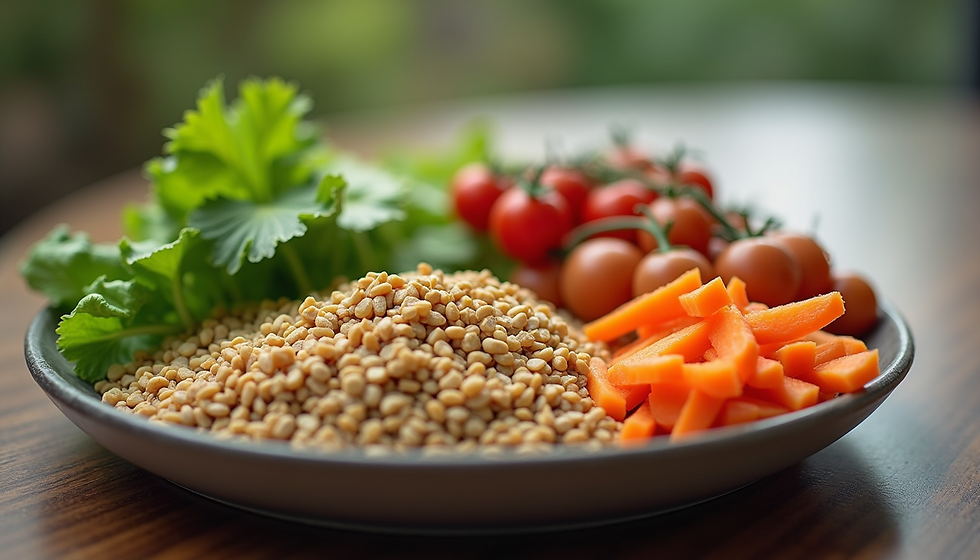
These foods not only provide essential vitamins and minerals but also promote healthy joint function. The more colorful your plate, the more antioxidants you're likely to consume.
Whole Grains and Fiber
Whole grains, such as brown rice, whole wheat, and quinoa, are rich in fiber. A high-fiber diet can help reduce inflammation levels. Research published in the Journal of Nutrition found a direct correlation between increased fiber intake and reduced inflammatory markers in the body.
Staying Hydrated
Proper hydration is vital for joint health. Water helps lubricate joints and maintain their function. Aim to drink at least 8 glasses of water a day, adjusting for activity levels, age, and climate.
Lifestyle Habits to Support Healthy Knees
Beyond nutrition, certain lifestyle habits can support knee health and reduce inflammation. Consider these practical tips:
Maintain a Healthy Weight
Excess body weight places additional stress on your knees, leading to increased inflammation and pain. If you're overweight, even a small reduction in weight can make a significant difference in knee health.
According to a study in Arthritis Care and Research, losing as little as 5-10% of body weight can greatly reduce knee pain in individuals with osteoarthritis. Engage in regular physical activity, such as walking, swimming, or cycling, to help achieve and maintain a healthy weight.
Quality Sleep
Adequate sleep is essential for recovery and reducing inflammation. Aim for 7-9 hours of quality sleep each night. Poor sleep can exacerbate pain and inflammation. Establish a calming bedtime routine, and consider keeping your sleep environment cool and dark to improve sleep quality.
Manage Stress
Chronic stress can contribute to inflammation levels in the body. Implement stress-reducing practices such as:
Meditation
Deep breathing exercises
Yoga and stretching
These activities can help lower cortisol levels and promote a sense of well-being, ultimately benefiting knee health.
Exercises to Strengthen and Support Knees
Regular exercise is key to maintaining knee health. Not only does it strengthen the muscles around the knee, but it also improves flexibility and reduces stiffness. Here are some effective exercises:
Low-Impact Aerobic Activity
Incorporating low-impact aerobic activities into your routine, such as:
Walking
Swimming
Cycling
These exercises help improve blood flow to the knees without placing excessive strain on the joints. Aim for at least 150 minutes of moderate aerobic activity each week.
Strengthening Exercises
Building strength in the muscles surrounding the knees can provide better support and potentially alleviate pain. Key exercises include:
Squats: Stand with feet shoulder-width apart and lower into a squat position, keeping knees behind toes. Aim for 2-3 sets of 10-15 repetitions.
Leg Raises: Lie on your back and lift one leg straight up while keeping the other leg bent. Hold for a few seconds before lowering. Repeat on both legs for 2-3 sets of 10-15 repetitions.
Lunges: Step forward with one foot and lower into a lunge. Ensure the front knee does not extend past the toes. Alternate legs for 2-3 sets of 10-15 repetitions.
Flexibility and Stretching
Incorporate stretching exercises to improve flexibility in your hips and legs, which can affect knee function. Try these stretches:
Hamstring Stretch: Sit with one leg extended and the other bent. Reach towards your toes on the extended leg and hold for 15-30 seconds. Repeat on the other leg.
Quadriceps Stretch: Stand on one leg while holding the opposite ankle behind you. Keep your knees together and gently pull the ankle toward your glutes. Hold for 15-30 seconds and switch sides.
Tips for Ongoing Knee Health
Maintaining knee health requires consistent attention and care. Here are additional tips to support your journey:
Cold and Heat Therapy: Use cold packs to reduce inflammation and heat packs to relax stiff muscles. Consider alternating between both for optimal relief.
Avoid High-Impact Activities: Activities such as running on hard surfaces or jumping can exacerbate knee pain. Choose low-impact alternatives.
Proper Footwear: Wear supportive shoes that provide adequate cushioning. Avoid high heels or unsupportive footwear that can strain your knees.
Regular Check-Ups: Consult with a healthcare professional if you experience persistent knee pain. Early intervention can prevent further damage.
By understanding the factors that contribute to knee inflammation and implementing these practical strategies, you can significantly enhance your knee health and quality of life. Remember, even small changes can lead to significant improvements, so start today, and be proactive in supporting those vital joints.
Embrace Healthy Knees!
Investing in your knee health through nutrition, lifestyle habits, and exercise can pave the way for a more active and fulfilling life. Stay informed, stay active, and embrace the journey towards healthier knees. Your future self will thank you!
Thank you for reading our blogs, we hope you find help in them. By the way, you can Go Here to learn more if you'd like.


Comments