


What Your Health Means to You and How to Prioritize It

Health shapes every part of our lives. It affects how we feel, how we perform daily tasks, and how long we get to enjoy life. Yet, many people only think about their health when problems arise. Understanding what your health means to you can change how you approach your daily choices and long-term habits. This post explores the value of health and offers practical ways to make it a priority.

Why Health Matters Beyond the Absence of Illness
Health is often seen as just not being sick. But it is much more than that. It includes physical strength, mental clarity, emotional balance, and social well-being. When you feel healthy, you have energy to pursue your goals, enjoy relationships, and handle stress better.
Think about a time when you felt your best. Maybe you woke up refreshed, had a productive day, and felt connected to others. That sense of well-being is what health means in its fullest sense. It supports your independence and quality of life.
Ignoring health can lead to chronic conditions like diabetes, heart disease, or depression. These conditions reduce life quality and increase medical costs. Prioritizing health means investing in your future self, not just avoiding illness today.
How to Recognize What Your Health Means to You
Everyone values health differently based on their experiences and goals. To understand what health means to you, ask yourself:
What activities make me feel alive and well?
How does my current health support or limit those activities?
What would I miss if my health declined?
How do I want to feel in 5 or 10 years?
Answering these questions helps clarify your personal health priorities. For example, if you love hiking, maintaining joint and cardiovascular health might be key. If you work in a demanding job, mental health and stress management could be your focus.
Practical Ways to Prioritize Your Health Every Day
Making health a priority does not require drastic changes overnight. Small, consistent actions build strong habits that improve your well-being over time.
1. Build a Balanced Diet
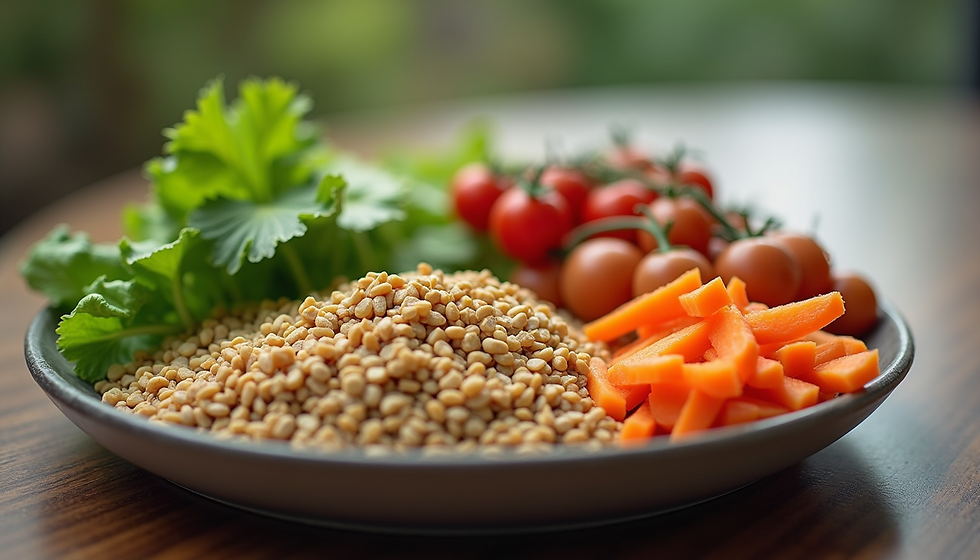
Eating a variety of whole foods fuels your body and mind. Include:
Fresh vegetables and fruits
Whole grains like oats, brown rice, and quinoa
Lean proteins such as fish, poultry, beans, and nuts
Healthy fats from sources like olive oil and avocados
Limit processed foods, sugary drinks, and excessive salt. Planning meals ahead can prevent unhealthy choices when you are busy or tired.
2. Move Your Body Regularly
Physical activity strengthens your heart, muscles, and bones. It also boosts mood and sleep quality. Aim for at least 150 minutes of moderate exercise weekly, such as brisk walking, cycling, or swimming.
If you have a sedentary job, take breaks to stretch or walk. Find activities you enjoy to stay motivated. Group classes, dancing, or gardening count as exercise too.

3. Prioritize Sleep and Rest
Sleep repairs your body and consolidates memory. Adults need 7 to 9 hours per night. Create a bedtime routine that includes:
Going to bed and waking up at the same time daily
Avoiding screens and bright lights before sleep
Keeping your bedroom cool and quiet
If you struggle with sleep, try relaxation techniques like deep breathing or gentle yoga.
4. Manage Stress Effectively
Chronic stress harms your immune system and mental health. Identify stress triggers and develop coping strategies such as:
Mindfulness meditation or journaling
Talking to trusted friends or professionals
Setting boundaries to avoid overload
Regular breaks and hobbies can also reduce stress levels.
5. Stay Connected and Seek Support
Social connections improve emotional health and longevity. Spend time with family, friends, or community groups. If you face health challenges, ask for help from healthcare providers or support networks.
Monitoring Your Health and Adjusting Priorities
Regular check-ups with your healthcare provider help catch issues early. Track your progress with simple tools like a food diary, step counter, or mood journal. Adjust your health goals as your life changes.
For example, if you start a new job with long hours, focus on stress management and quick healthy meals. If you recover from an injury, gradually increase physical activity.

Final Thoughts on Making Health Your Priority
Your health is the foundation for everything you want to do in life. Defining what it means to you helps guide your daily choices and long-term habits. By eating well, moving regularly, resting enough, managing stress, and staying connected, you build a strong base for well-being.
Start with small steps that fit your lifestyle. Over time, these actions add up to a healthier, more fulfilling life. Remember, prioritizing your health is an ongoing journey, not a one-time fix. Take charge today and invest in your most valuable asset: yourself.
Thank you for reading our blogs, we hope you find help in them. By the way, you can Go Here to learn more if youd like.


Comments